
Why fitness equipment buyers keep circling back to steel frames and plate storage
When buyers evaluate fitness equipment for a commercial gym, training studio, or serious home setup, the shortlist usually comes down to one question: will this piece earn its floor space every day? A heavy-duty lifting station like the one described here does more than hold a barbell. It supports controlled strength work, keeps plates organized, and reduces the small friction points that slow training down. That matters whether you are outfitting a new room or replacing older gym equipment that no longer matches how people actually train.
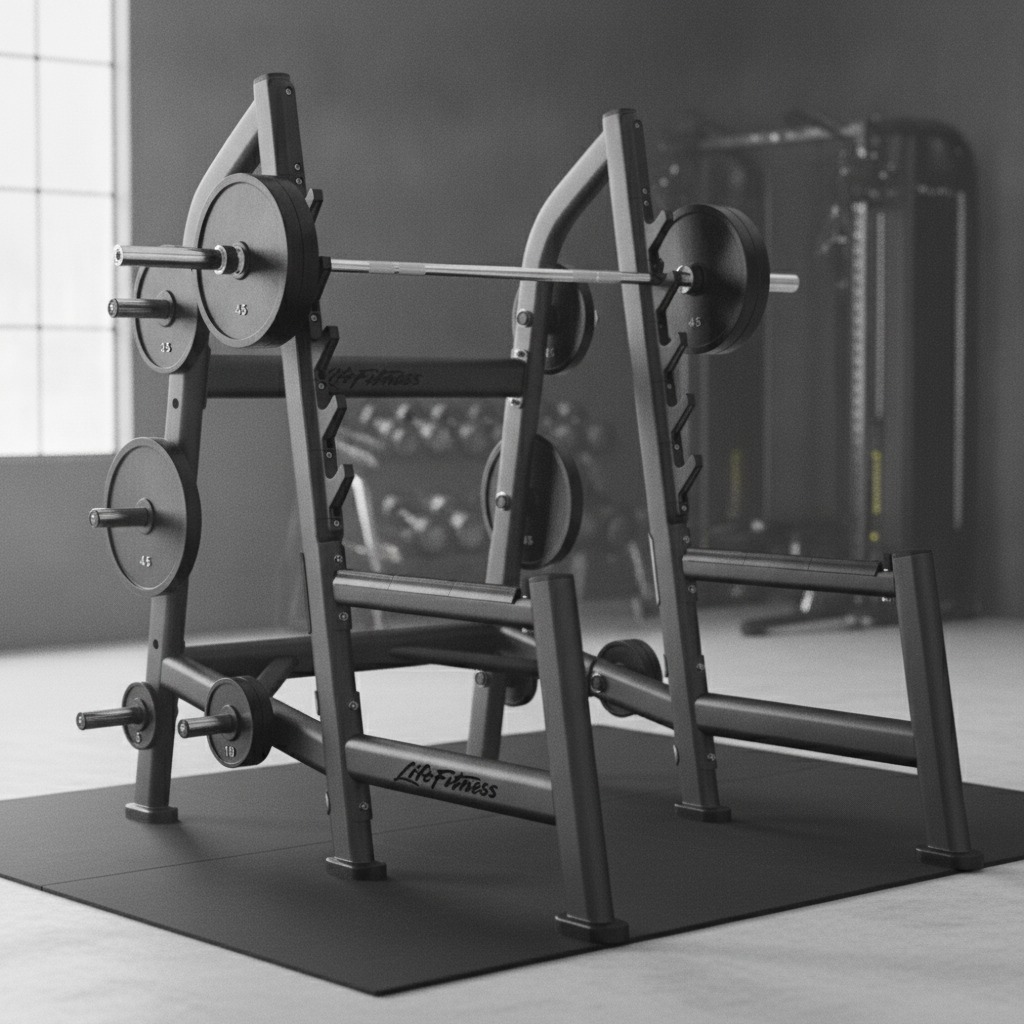
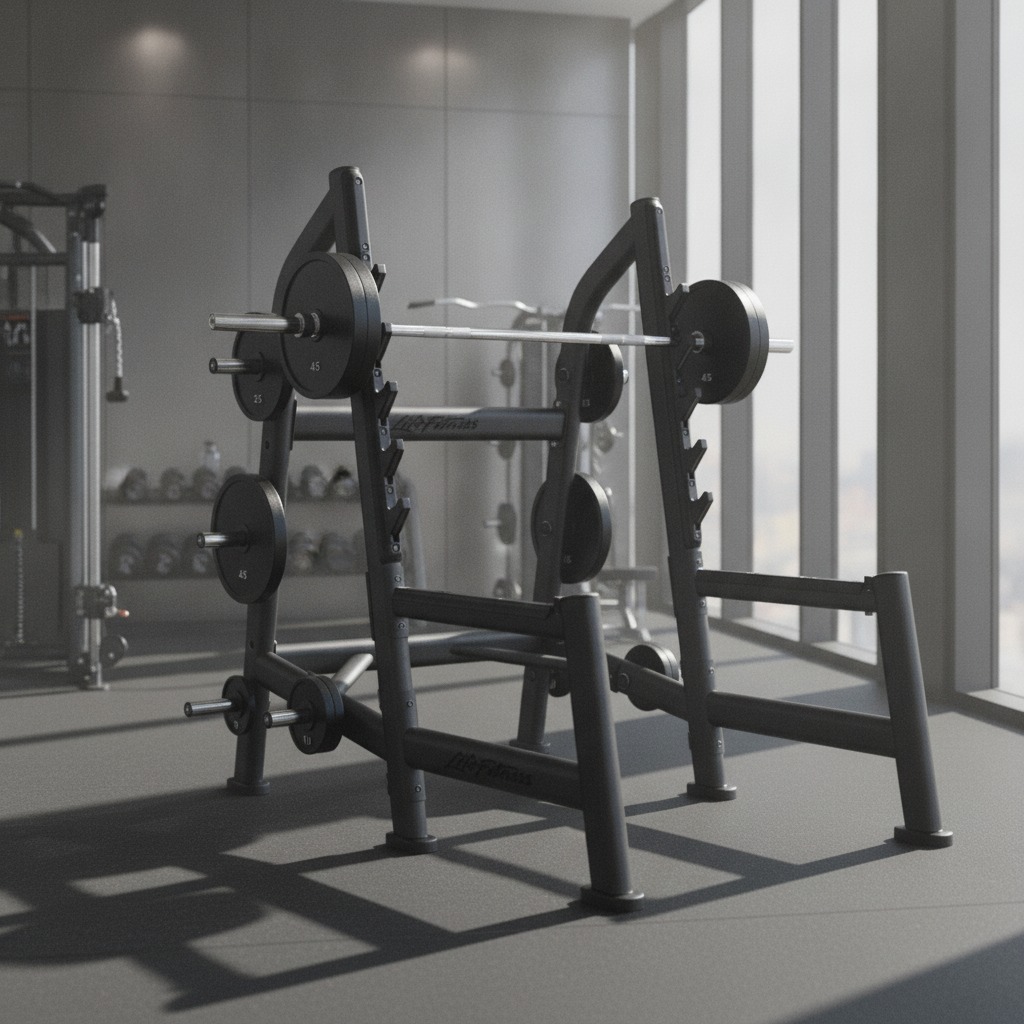
At a glance, this style of station is built around a welded steel frame, black powder-coated finish, and an open multi-upright layout. The visible design suggests a guided bar path area, safety catch points, and integrated pegs for loading free weights. That combination tells you a lot about the product’s intent: structured barbell work with storage built in, not a bare-bones rack that leaves the room cluttered.
What the visible design says about daily use
The most useful thing about this type of station is not the finish or the silhouette. It is the way the components work together on a busy training floor. The open-frame structure gives lifters access from multiple angles, while the wide footprint and floor feet help the unit stay planted during pressing and squatting movements. Plate storage on both sides is not a cosmetic detail; it is a practical feature that keeps dumbbells and free weights from taking over the area, even if the rack itself is intended primarily for barbell work.
For operators, that means fewer loose plates on the floor, less visual clutter, and fewer interruptions between sets. For lifters, it means the station feels ready to use instead of being a puzzle of scattered accessories. In a commercial setting, that can make the difference between a piece that gets used constantly and one that quietly gets ignored.
Where this kind of station fits in a strength space
This is not cardio equipment, and it is not trying to be. It belongs in the strength corner of the floor, where bench press, squat variations, shoulder press, and other controlled barbell lifts happen throughout the day. The guided lifting area suggests a safer, more repeatable movement path than a completely open free-bar setup, which can be helpful for newer users, solo lifters, or facilities that want predictable training stations.
That said, a controlled bar path does not replace smart programming or supervision. Buyers sometimes assume a guided station automatically solves safety concerns. It does not. It can reduce one variable, but the rest still depends on coaching, setup, and sensible loading. A machine like this should make lifting cleaner, not encourage sloppy habits.
Quick buyer takeaways
What stands out
The frame looks like fabricated steel fitness equipment built for repeated commercial use. The welded construction, angled supports, and integrated storage pegs all point to a product designed around stability and efficiency. The black powder coat should help with daily wear, though every facility knows that contact points and plate pegs eventually show the truth of heavy use.
What still needs confirmation
Before purchase, it is worth confirming the exact rail type, load rating, bar standard, dimensions, and whether the unit is a true Smith machine, a squat rack, or a hybrid trainer. The visible layout suggests one thing, but facilities should never buy on appearance alone. Even experienced sourcing managers get burned when a product photo implies a feature the spec sheet later weakens.
Selection criteria that actually matter
If you are comparing this unit against other gym equipment, start with the basics: frame stability, storage capacity, user clearance, and serviceability. A strong welded frame is useful only if the station fits the room and supports the way your members train. Integrated pegs are especially valuable when your floor plan is tight and you want the station to carry some of the load that would otherwise fall to separate storage trees.
Also think about workflow. Can a lifter load plates without crossing a walkway? Is there enough room for a bench? Can staff clean around the feet without moving the machine? Those are mundane questions, but they drive daily satisfaction more than a polished brochure ever will.
Common mistakes buyers make
The biggest mistake is treating strength equipment like a catalog image instead of a working asset. A sleek station can still be awkward if the plate pegs are poorly placed or the footprint is too tight for your room. Another common error is buying for a theoretical user and not the one who shows up at 6 a.m. with a training plan and limited patience. If the setup is slow, people drift toward easier options.
There is also a tendency to overlook storage. Yet integrated storage is often what keeps a strength area organized enough to feel premium. That is especially true when the room also includes dumbbells, benches, and other free weights competing for space.
Why this matters for the long run
The best fitness equipment does not just survive heavy use. It helps the room function better every week after the install. A robust lifting station with built-in plate storage can support better traffic flow, cleaner training habits, and a more disciplined atmosphere. That is a quiet but real business advantage for gyms and training centers, and it is also why serious home gym owners often invest in this class of equipment after they outgrow lighter setups.
If you are reviewing options now, use the photo as a starting point, then ask for the specifications that matter: structural details, compatibility, safety settings, and service support. The right choice is the one that matches your users, your space, and the way you want the room to feel when the weights start moving.
Next step
Compare the frame design, storage layout, and confirmed specifications with your current training floor plan. If you are building a commercial-strength area or upgrading a serious home gym, this is the point where the right details matter more than the marketing language.