
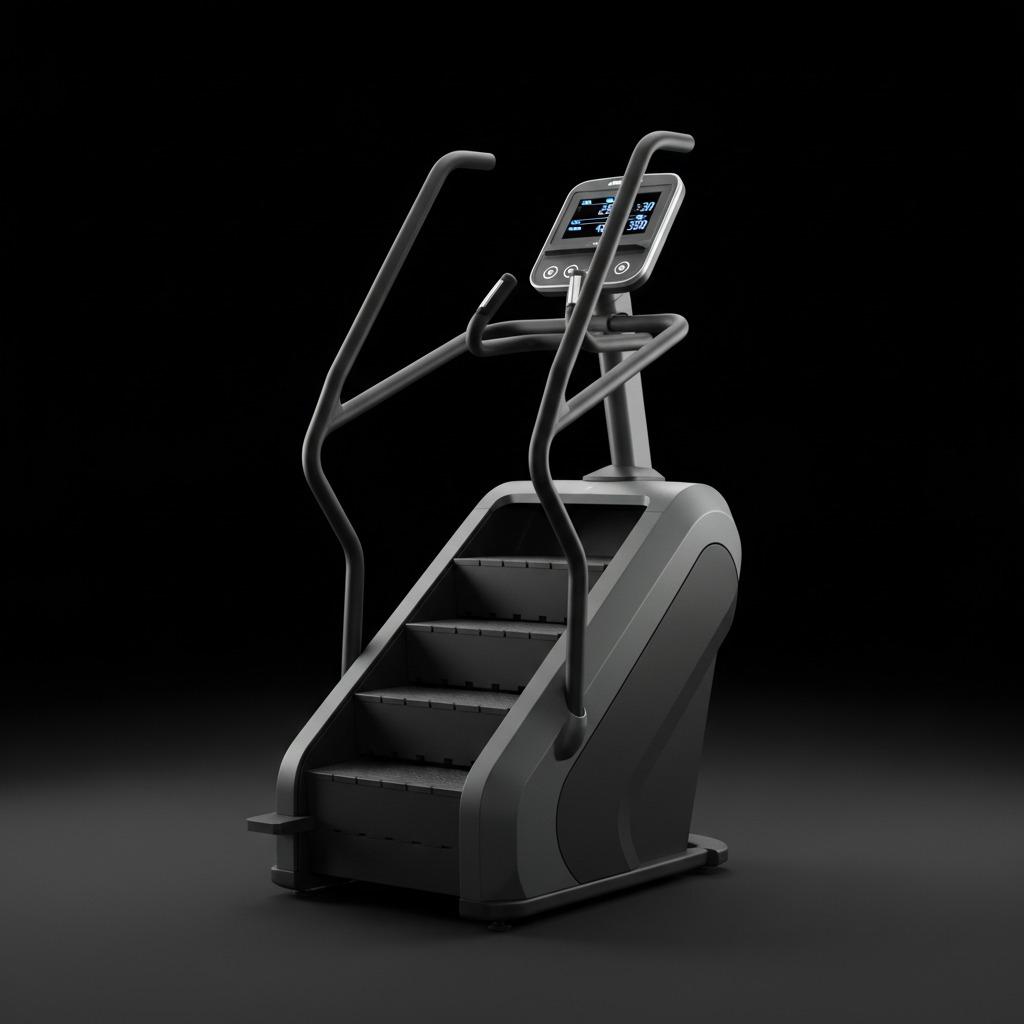
Why stair-climbing machines keep showing up in commercial fitness floors
When buyers talk about fitness equipment for gyms, hotels, or rehab spaces, the conversation usually starts with treadmills, ellipticals, and bikes. Yet a stair-climbing machine earns its space for a very different reason: it makes a familiar movement feel demanding fast. That matters for operators who want a cardio station that also loads the lower body without needing the footprint of a long running deck.
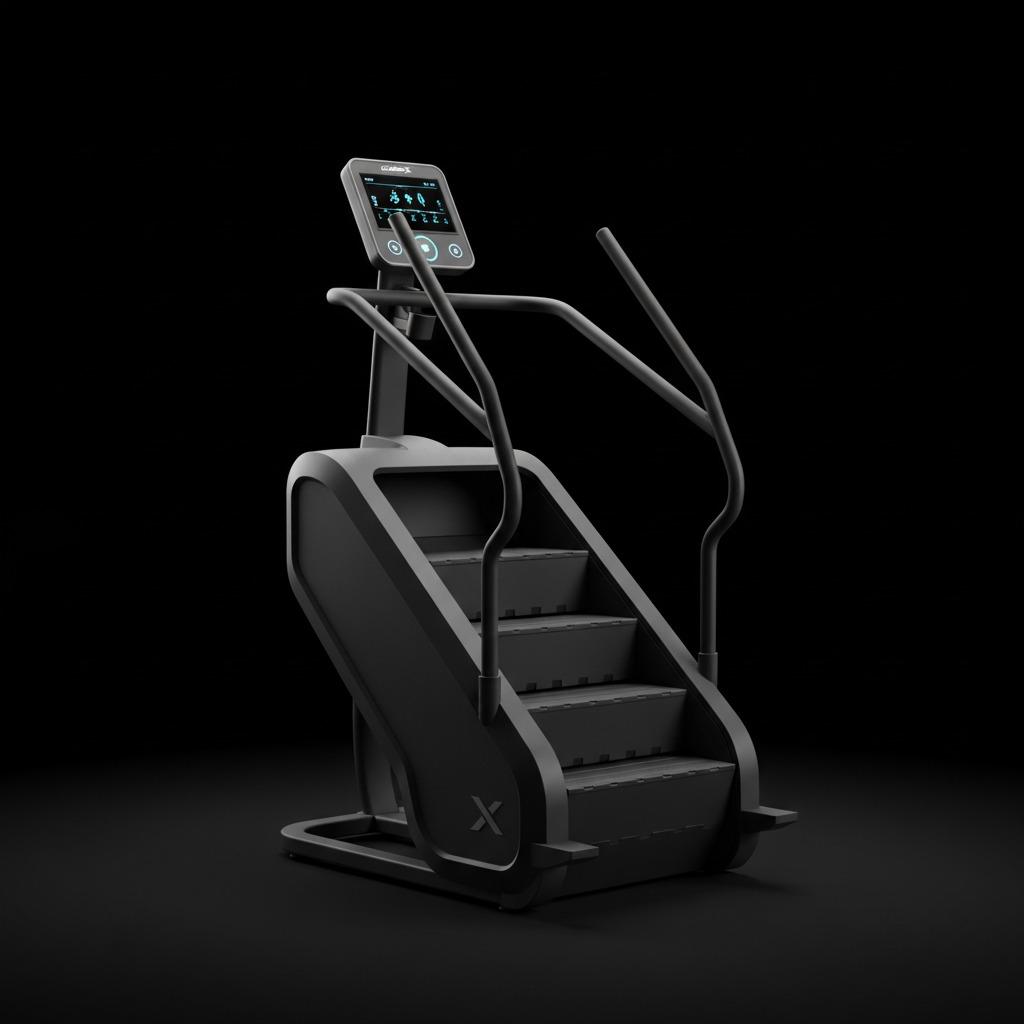
The machine shown here is a staircase trainer, the kind of upright cardio unit that simulates climbing stairs through a series of stepping treads. For end users, the appeal is obvious. The workout is simple to understand. For facility managers and sourcing teams, the more useful question is whether that simplicity translates into durable service, predictable maintenance, and enough user appeal to justify the floor space.
What this machine is designed to do
Visually, the unit combines a compact vertical frame, three visible stair steps, side housings, a top console, and long handrails. That layout suggests a product built around support and rhythm rather than speed. In practical terms, it gives users a climbing motion that raises heart rate while engaging the glutes, quadriceps, hamstrings, and calves more directly than many seated or low-incline cardio options.
That is one reason stair-climbing cardio equipment often lands in mixed-use facilities. A fitness club may want it because members recognize the motion immediately. A hotel gym may want it because guests can get a challenging workout without learning a complicated interface. A rehabilitation or conditioning center may value the controlled stepping path and the stability offered by the rails, although the machine’s suitability there depends on program goals and user population.
Quick buyer takeaways
If you are comparing stair-climbing fitness equipment to other cardio equipment, the decision usually comes down to three practical points:
First, the vertical layout can save floor area relative to the amount of movement it creates. Second, the machine tends to feel more intense than many users expect, which can be useful in busy facilities where shorter workouts are common. Third, the handrails and console become important not as extras, but as part of the machine’s basic usability.
That last point is easy to underestimate. On a stair trainer, stable handrails are not just for comfort. They help with entry, exit, pacing, and confidence for users who are new to the machine or returning from reduced activity. A good console also matters, even on a mechanically straightforward unit, because users want simple workout feedback without hunting through menus.
Construction details that matter to buyers
From the image, the machine appears to use a metal frame with dark painted side panels and black tread surfaces. The exact materials, coating system, and internal drive design are not verifiable from the image, so it is better to treat those as procurement questions rather than assumptions. Still, a few construction cues are worth noting.
Commercial fitness equipment in this category usually depends on a rigid internal structure, formed housings to cover moving components, and a step surface that offers enough grip without feeling abrasive. Buyers should ask about access panels, serviceability, and how the step mechanism is protected from dust and sweat. On large cardio machines, the hidden details often decide whether the unit is easy to maintain or a constant service ticket.
Where stair trainers fit best
The strongest use cases tend to be commercial gyms, fitness clubs, and hotel gyms, especially where operators want a visible premium cardio station that looks substantial on the floor. The machine can also make sense in performance training facilities where conditioning work is built into the weekly routine. For home users, the issue is less about whether the machine works and more about whether the room, ceiling height, and budget can realistically support a large upright unit.
One practical caution: stair-climbing machines can be very attractive to buyers in a showroom and then underused if the surrounding layout is poor. If the entry area feels awkward, if the machine is tucked into a corner, or if there is not enough clearance for safe mounting and dismounting, usage drops. Placement matters more than many procurement sheets admit.
Selection criteria that should not be skipped
When comparing this type of cardio gym machine, ask for the basics in writing: dimensions, load capacity, resistance system, power requirements, and console functions. If the supplier cannot answer those clearly, keep moving. For commercial purchases, also ask about service access, replacement parts, and expected maintenance intervals. Those questions are not glamorous, but they are the ones that determine ownership cost.
It is also worth checking step height and tread feel. A stair machine can look compact yet still feel harsh if the stepping motion is too aggressive for the intended user base. In a general-population gym, that can affect adoption. In a training facility, it may be less of a problem. Match the machine to the users, not just the floor plan.
Common mistakes when sourcing this category
Two errors come up often. The first is choosing by appearance alone. A clean console and heavy-looking frame do not tell you much about serviceability or reliability. The second is ignoring the maintenance burden of a machine with moving steps, enclosed housings, and repeated load cycles. Even a well-built stair trainer needs access and routine care.
Another mistake is treating it like a generic cardio device. It is not. The movement pattern is more demanding, the user learning curve can be steeper, and the perception of effort is higher. That can be a selling point, but only if the machine is positioned correctly in the facility mix.
A practical next step for sourcing teams
If you are evaluating stair-climbing fitness equipment for a project, compare it against your actual user profile and service plan, not just the catalog image. Ask for the technical sheet, confirm facility fit, and review maintenance access before you place the order. A machine like this can be a strong addition to a cardio lineup, but only when the operational details are clear.
If you need help narrowing down the right staircase trainer for a commercial gym, hotel, or conditioning space, request the full specifications and use-case guidance from the supplier before finalizing the purchase.